

FAQs
CLEANROOM BASICS
Q What is a modular cleanroom?
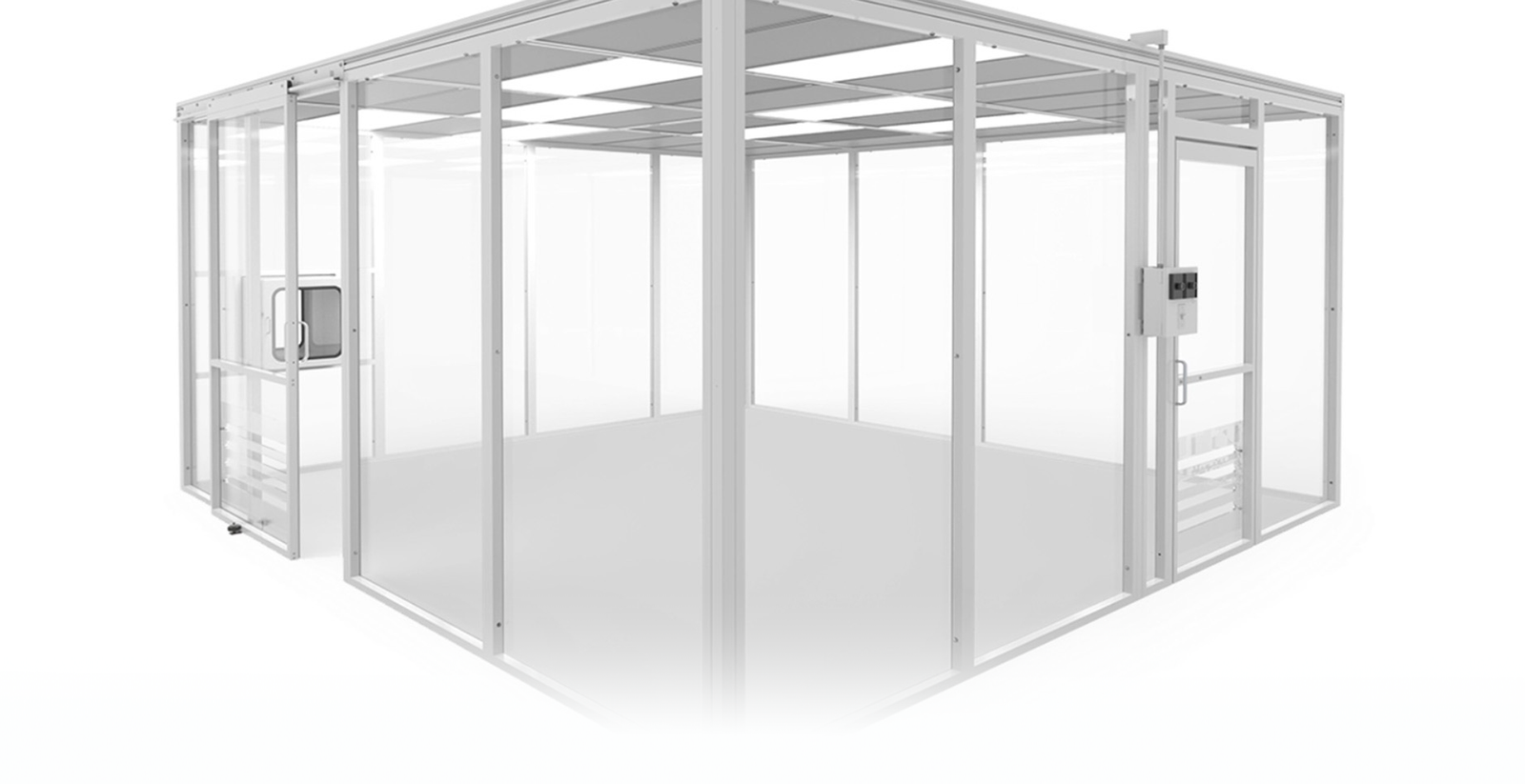
A modular cleanroom is a prefabricated, controlled environment designed to limit airborne particles, contamination, and environmental variables such as temperature and humidity. Unlike traditionally constructed cleanrooms, modular cleanrooms are assembled from pre-engineered wall panels, ceiling systems, and HVAC components—making them faster to install, easier to reconfigure, and more cost-effective. They are widely used in medical device manufacturing, pharmaceutical production, electronics assembly, and life sciences research.
Q What is the difference between a softwall, rigidwall, and hardwall cleanroom?
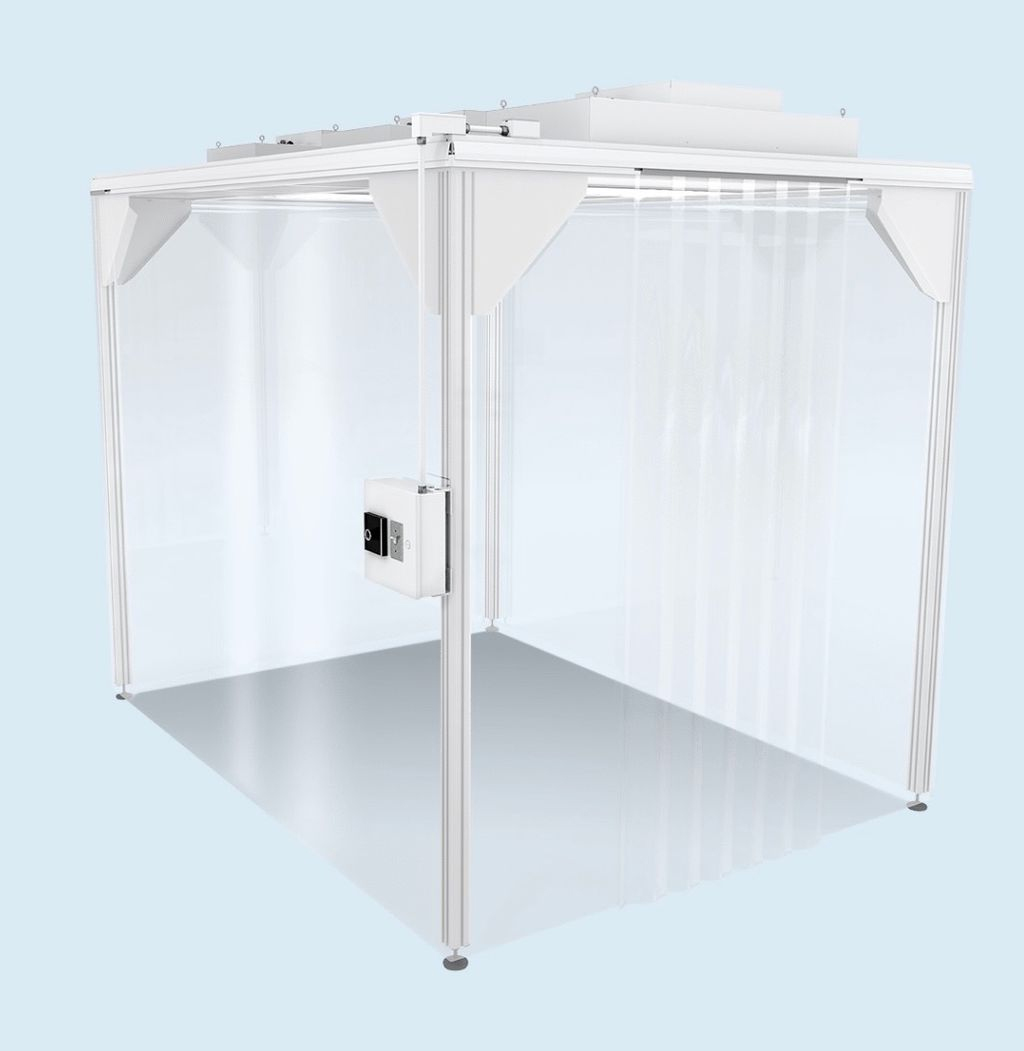
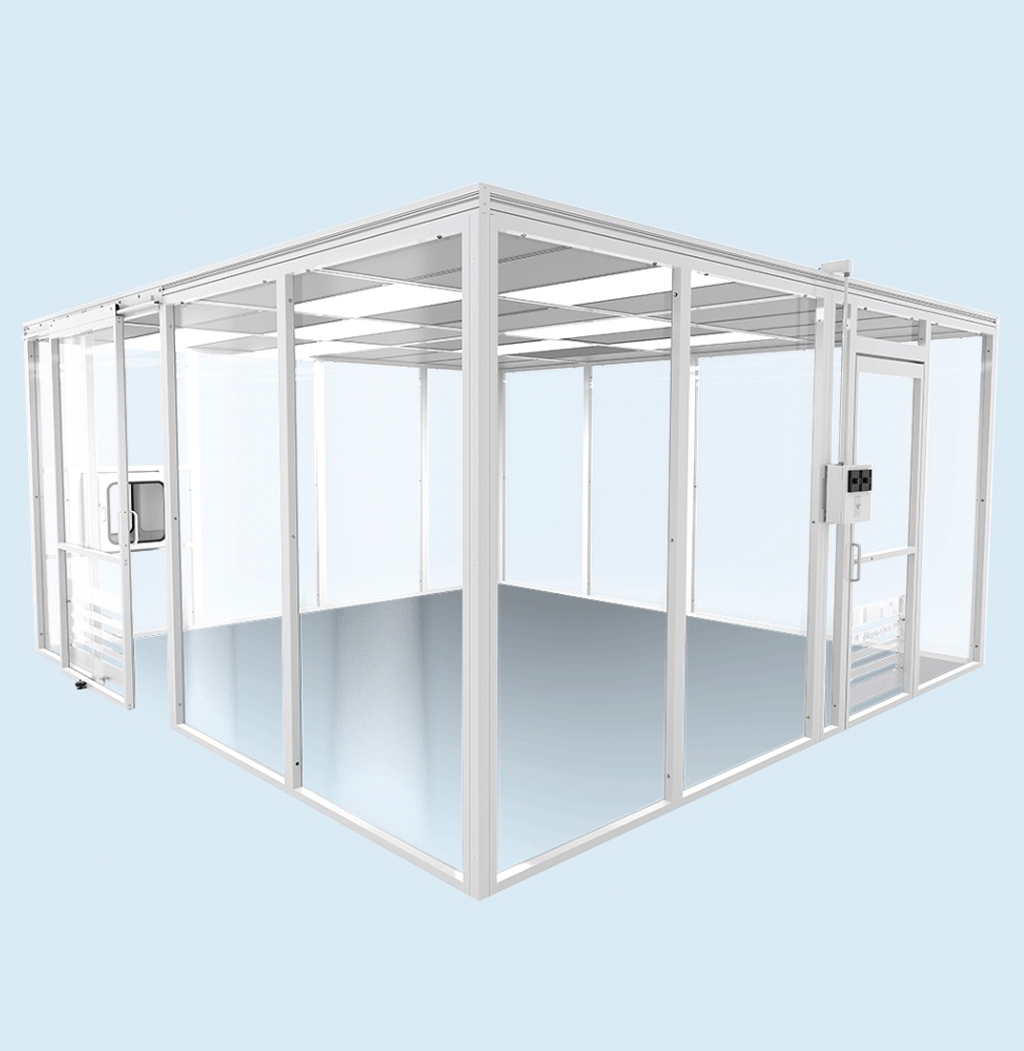
Softwall cleanrooms use flexible vinyl curtain panels as walls and are the most affordable and portable option. They are ideal for lower ISO classifications (ISO 7–8) and situations where the cleanroom footprint may need to change. Rigidwall cleanrooms use semi-rigid panels that offer better structural integrity and a cleaner aesthetic than softwall systems, while remaining modular and reconfigurable. Hardwall cleanrooms feature solid, permanent-style wall panels and provide the highest level of structural rigidity, environmental control, and contamination isolation. MediClean offers all three types and can help you select the best configuration for your application, budget, and compliance needs.
Q How long does it take to install a modular cleanroom?
Installation timelines vary depending on the size, complexity, and ISO classification of the project. Small to mid-sized modular cleanrooms can typically be installed in one to four weeks, compared to months for traditionally constructed cleanrooms. MediClean manages the installation process from design through commissioning, and our team will provide a project-specific timeline during the consultation phase.
Q Can a modular cleanroom be reconfigured or expanded after installation?
Yes—this is one of the primary advantages of modular cleanrooms over traditionally built rooms. Because modular systems use prefabricated, interchangeable components, they can be expanded, reduced, or completely reorganized as your production needs evolve. MediClean designs cleanroom systems with scalability in mind, so your initial investment can grow with your business without requiring a full rebuild.
Q What types of cleanroom furniture does MediClean offer?
MediClean offers cleanroom-compatible furniture designed to minimize particle generation and resist contamination. Our offerings include workbenches, tables, shelving, carts, chairs, and storage solutions constructed from materials appropriate for controlled environments—typically stainless steel or coated steel. Cleanroom furniture is engineered to minimize crevices and horizontal surfaces where particles can accumulate, and it is compatible with standard cleanroom cleaning and disinfection protocols.
ISO CLASSIFICATION
Q What ISO cleanroom classifications does MediClean support?
MediClean provides modular cleanroom solutions across a range of ISO classifications, most commonly ISO Class 5 through ISO Class 8. The ISO class defines the maximum allowable concentration of airborne particles per cubic meter of air. ISO Class 5 (equivalent to legacy Class 100) is the most stringent and is required for highly sensitive medical device assembly, while ISO Class 7 and ISO Class 8 environments are common for general medical device manufacturing and packaging. MediClean’s specialists will help you determine the right classification based on your product requirements and applicable regulatory standards.
Q What ISO classification do I need for medical device manufacturing?
The required ISO class depends on the type of medical device and the specific manufacturing operation. Many implantable and sterile device manufacturers operate in ISO Class 5 or ISO Class 7 environments. Non-sterile device assembly and packaging operations commonly use ISO Class 7 or ISO Class 8. Your quality system requirements, applicable standards (such as ISO 13485), and FDA guidance should inform the classification decision. MediClean’s specialists can help you evaluate your product and process requirements to determine the appropriate classification for your application.
CONTAMINATION CONTROL
Q What is contamination control in a cleanroom, and why does it matter?
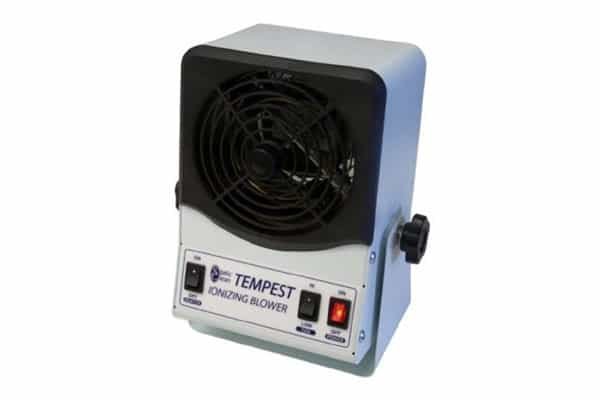
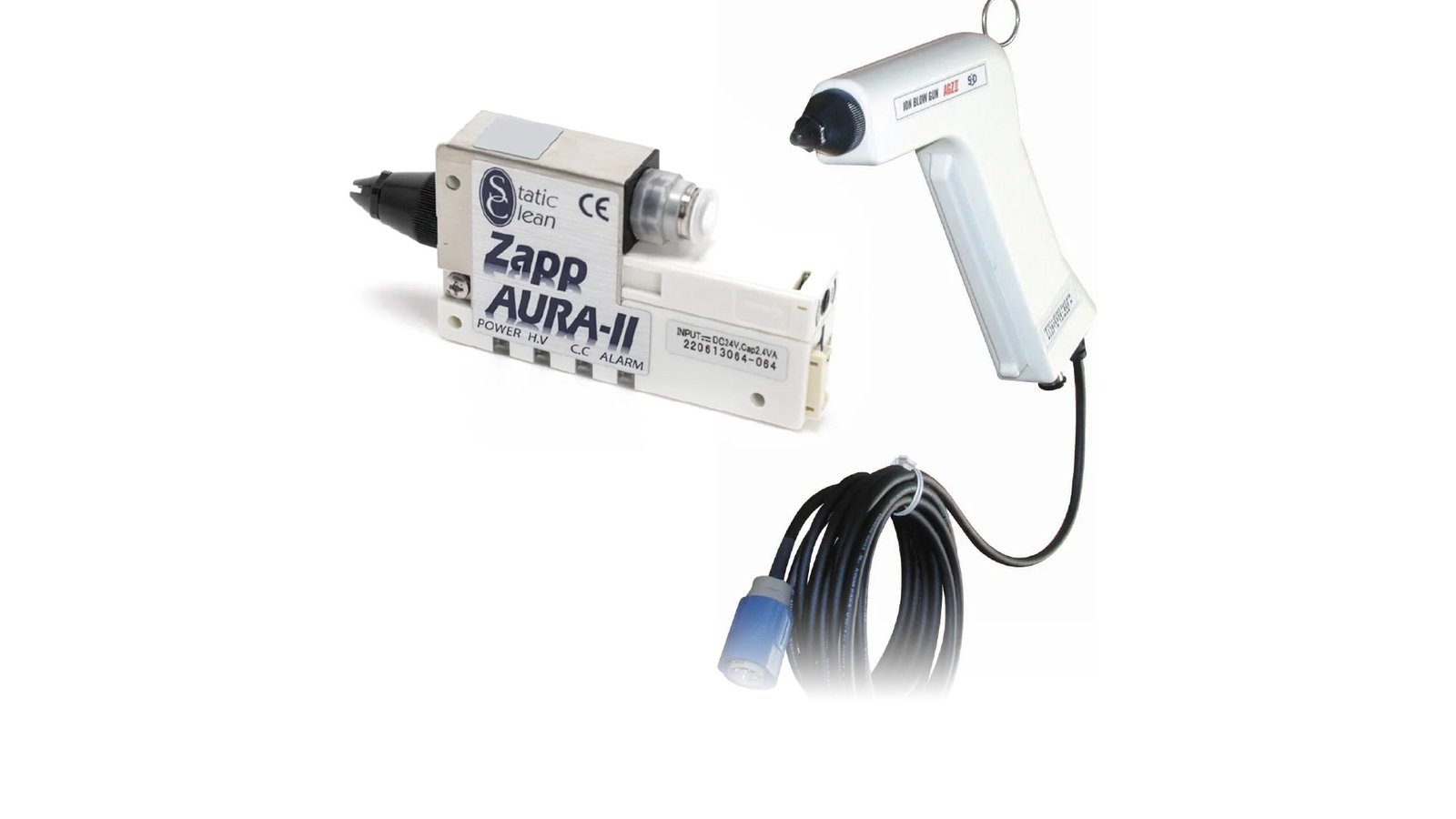
Contamination control refers to the systems, products, and procedures used to prevent particles, microorganisms, static electricity, and other contaminants from compromising a cleanroom environment or the products manufactured within it. In medical device manufacturing, contamination can cause product defects, patient safety risks, and regulatory failures. Effective contamination control includes HEPA-filtered air supply systems, particle traps, laminar flow hoods, ionizing fans and guns to neutralize static, cleanroom-grade furniture, and appropriate personal protective equipment (PPE).
Q What is static electricity’s impact in a cleanroom, and how is it controlled?
Static electricity is a significant source of contamination in cleanrooms because electrostatic charges attract airborne particles to surfaces and sensitive components. This is especially problematic in electronics and medical device manufacturing, where particle contamination can cause defects or device failures. Static is controlled using ionizing equipment—such as ionizing guns, ionizing fans, and ionizing bars—that generate positive and negative ions to neutralize charges on surfaces and in the air. MediClean offers a full line of static and particle control products to help maintain a clean, ESD-safe environment.
Q What is a laminar flow hood, and when is it needed?
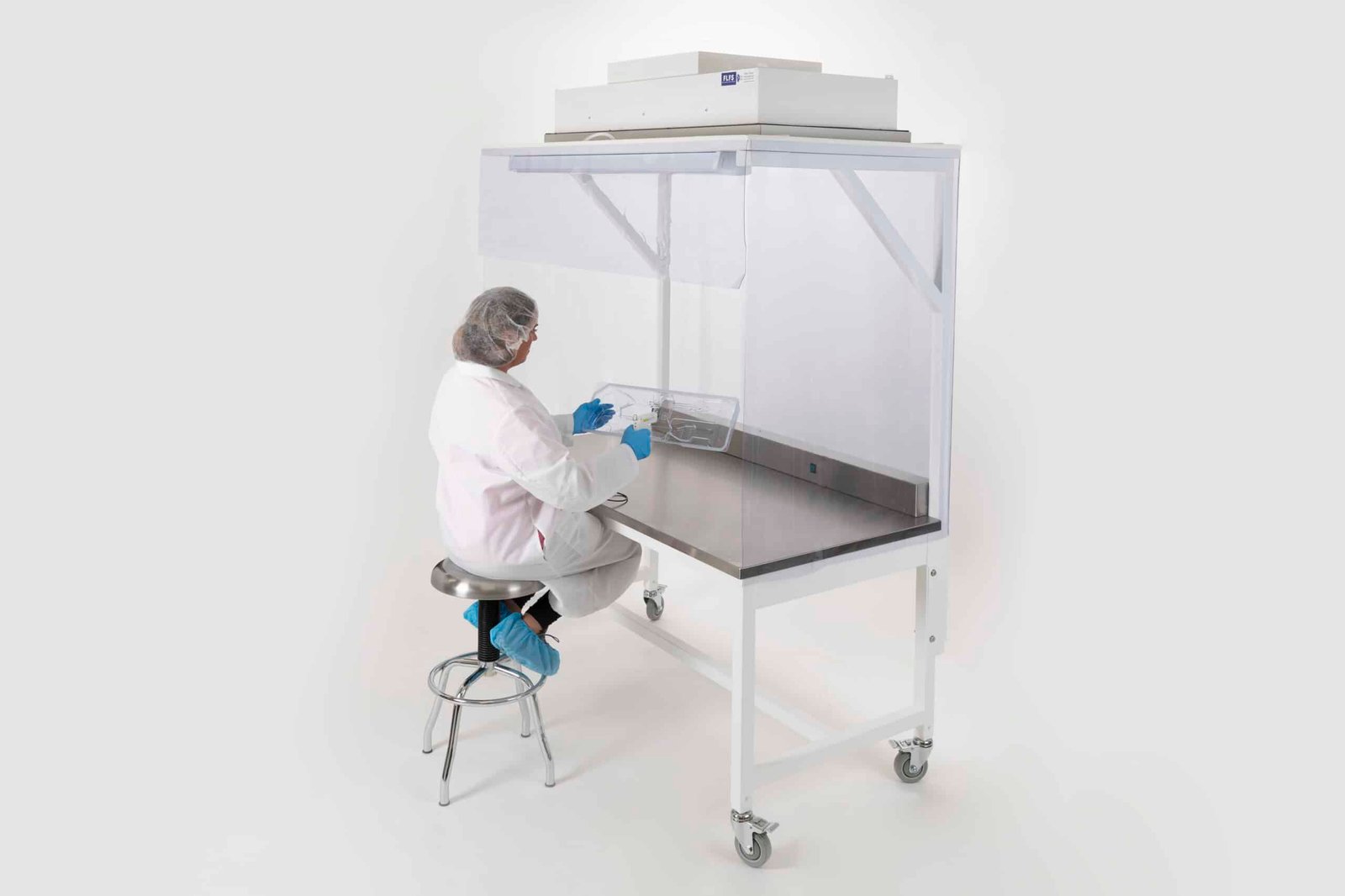
A laminar flow hood (also called a laminar flow cabinet or clean bench) is a workstation that creates a localized ultra-clean environment by drawing air through a HEPA filter and directing it in a smooth, unidirectional (laminar) flow over the work surface. Laminar flow hoods are used when an ISO Class 5 or better environment is needed at a specific workstation within a larger cleanroom, or when a lower-class cleanroom needs a contained, particle-free zone for particularly sensitive operations such as assembly of sterile components.
Q What is a particle trap, and how does it work?
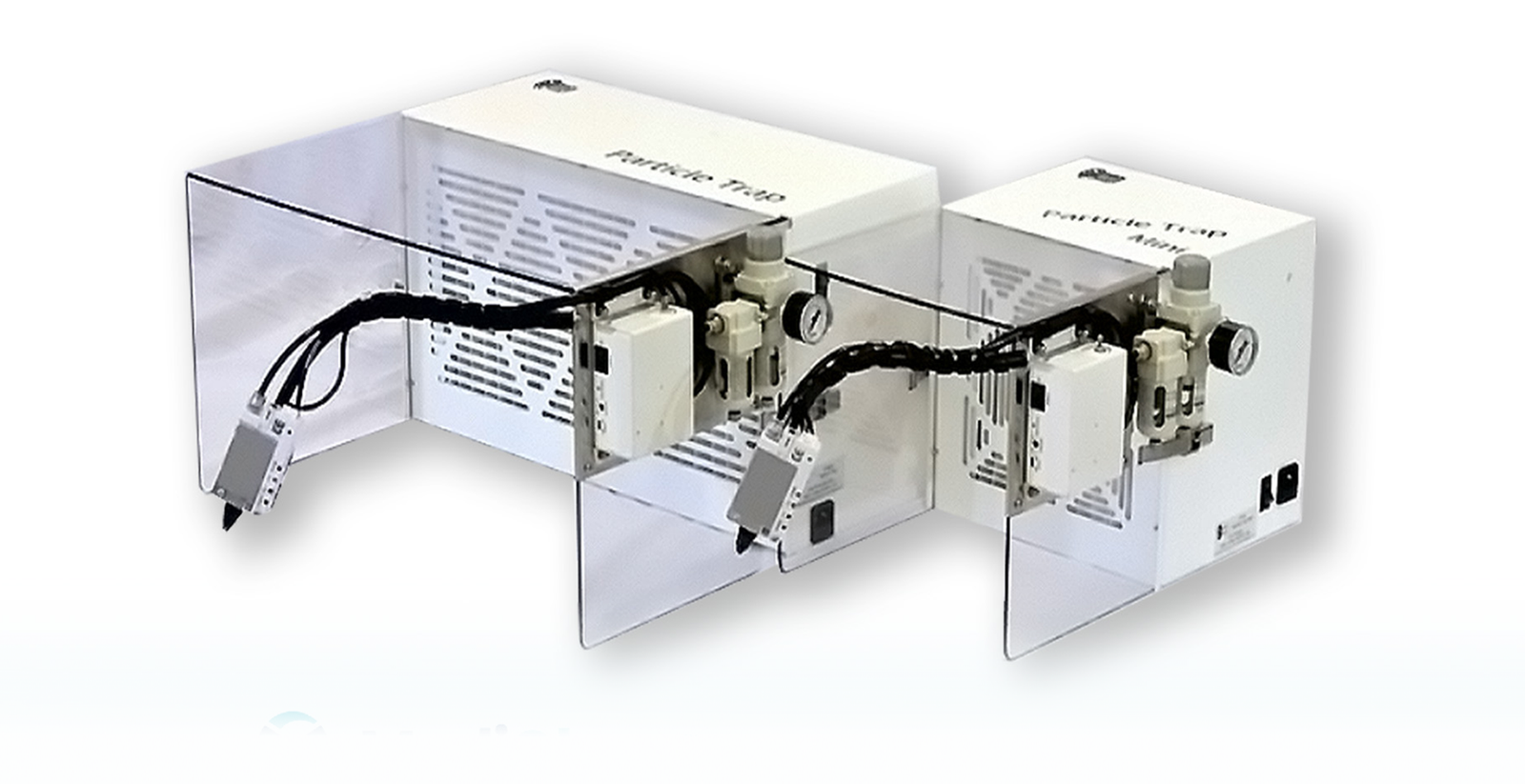
A particle trap is a device placed at cleanroom entryways or transition zones to capture particles from clothing, footwear, and equipment before they enter the controlled environment. Adhesive-mat style particle traps use multiple layers of tacky film that peel away as they become loaded with debris. Particle traps are a simple, cost-effective first line of defense against particle ingress and are a standard component of most cleanroom gowning and entry protocols.
Q What PPE is required in a cleanroom?
Cleanroom PPE is worn by personnel to minimize the introduction of particles, skin cells, and microorganisms into the cleanroom environment. Typical cleanroom PPE includes coveralls or lab coats, bouffant caps or hoods, face masks or respirators, gloves, and cleanroom-compatible footwear or shoe covers. The specific PPE required depends on the cleanroom’s ISO classification—higher-class (lower number) cleanrooms require more comprehensive gowning protocols. MediClean supplies a wide range of cleanroom PPE appropriate for medical device manufacturing environments.
WORKING WITH MEDICLEAN
Q Can MediClean design a cleanroom from scratch for my facility?
Yes. MediClean provides end-to-end cleanroom solutions that include consultation, design, installation, and ongoing service and maintenance. Our specialists work directly with your team to understand your process requirements, ISO classification needs, regulatory obligations, and facility constraints. From there, we develop a cleanroom design that optimizes airflow, layout, and contamination control—and we manage the installation from start to finish. Whether you are building your first cleanroom or expanding an existing facility, MediClean is equipped to guide you through every step.
Q What industries does MediClean primarily serve?
MediClean’s primary focus is the medical device industry, where we provide modular cleanrooms and contamination control solutions for manufacturing, assembly, packaging, and quality testing. Our products and expertise also apply to adjacent life sciences sectors including pharmaceutical manufacturing, biotechnology, diagnostics, and combination product development. Any regulated manufacturing environment that requires ISO-classified contamination control can benefit from MediClean’s solutions.
Q Does MediClean serve companies outside of New England?
Yes. While MediClean is headquartered in Kensington, New Hampshire, we serve medical device manufacturers companies across the United States. Our modular cleanroom solutions and cleanroom supplies can be shipped and installed nationwide. Contact our team to discuss your location and project requirements.
Q What ongoing support does MediClean provide after a cleanroom is installed?
MediClean offers service and maintenance support to keep your cleanroom operating at peak performance. This includes assistance with routine inspections, filter replacements, reconfiguration as your production needs evolves, and troubleshooting. We are also a continuing resource for cleanroom supplies—including PPE, contamination control products, and furniture—so you have a single, trusted partner for both your facility and your consumables.
Q How do I get a quote for a cleanroom from MediClean?
You can request a quote by visiting the Contact Us page, calling us at 833-766-2343 or emailing Info@MediCleanInc.com.